Your skin, decoded.
Shop

Dermaplaning

Dermaplaning

Dermaplaning — treatment
Facials & Peels — in clinic

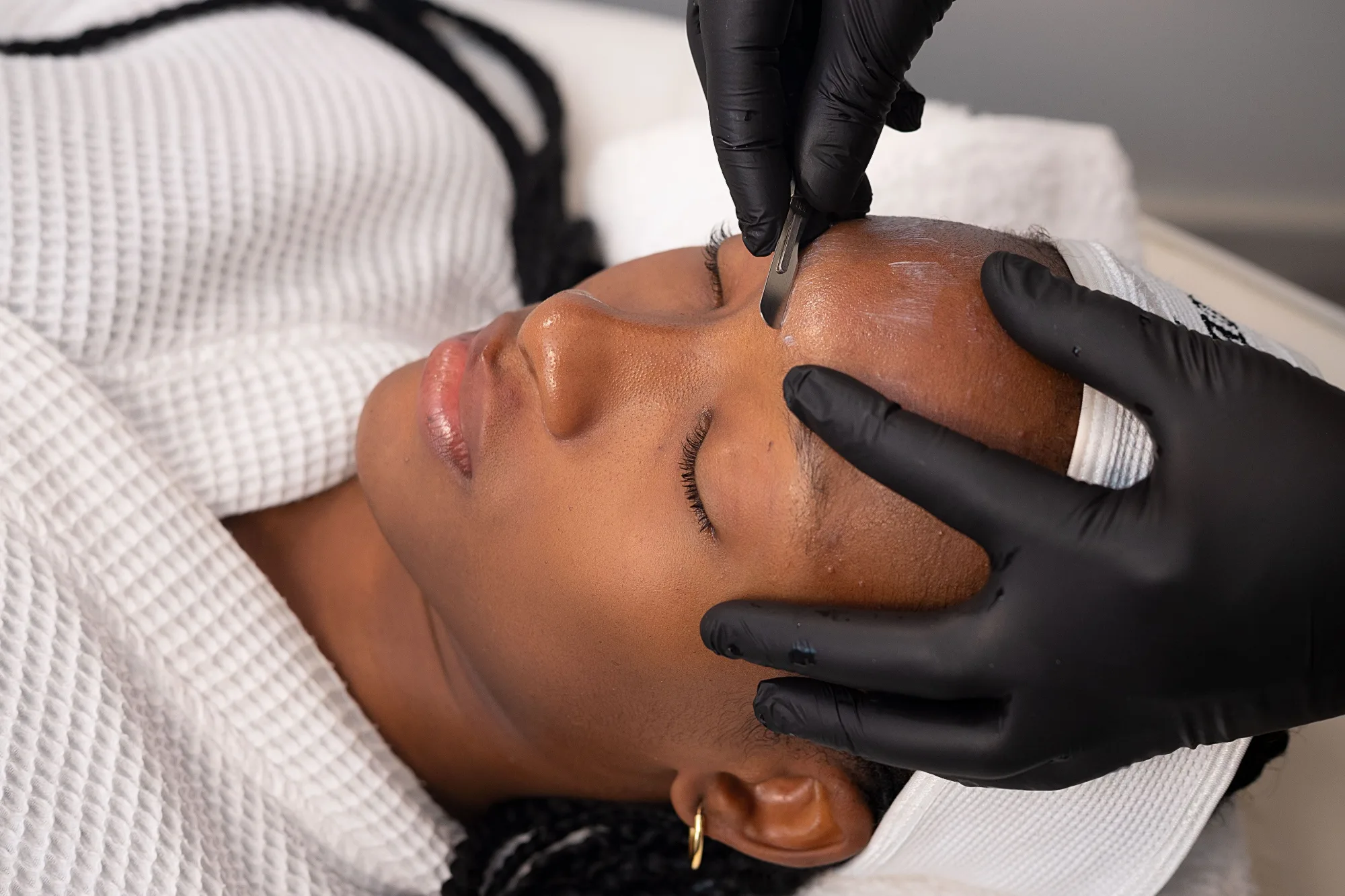
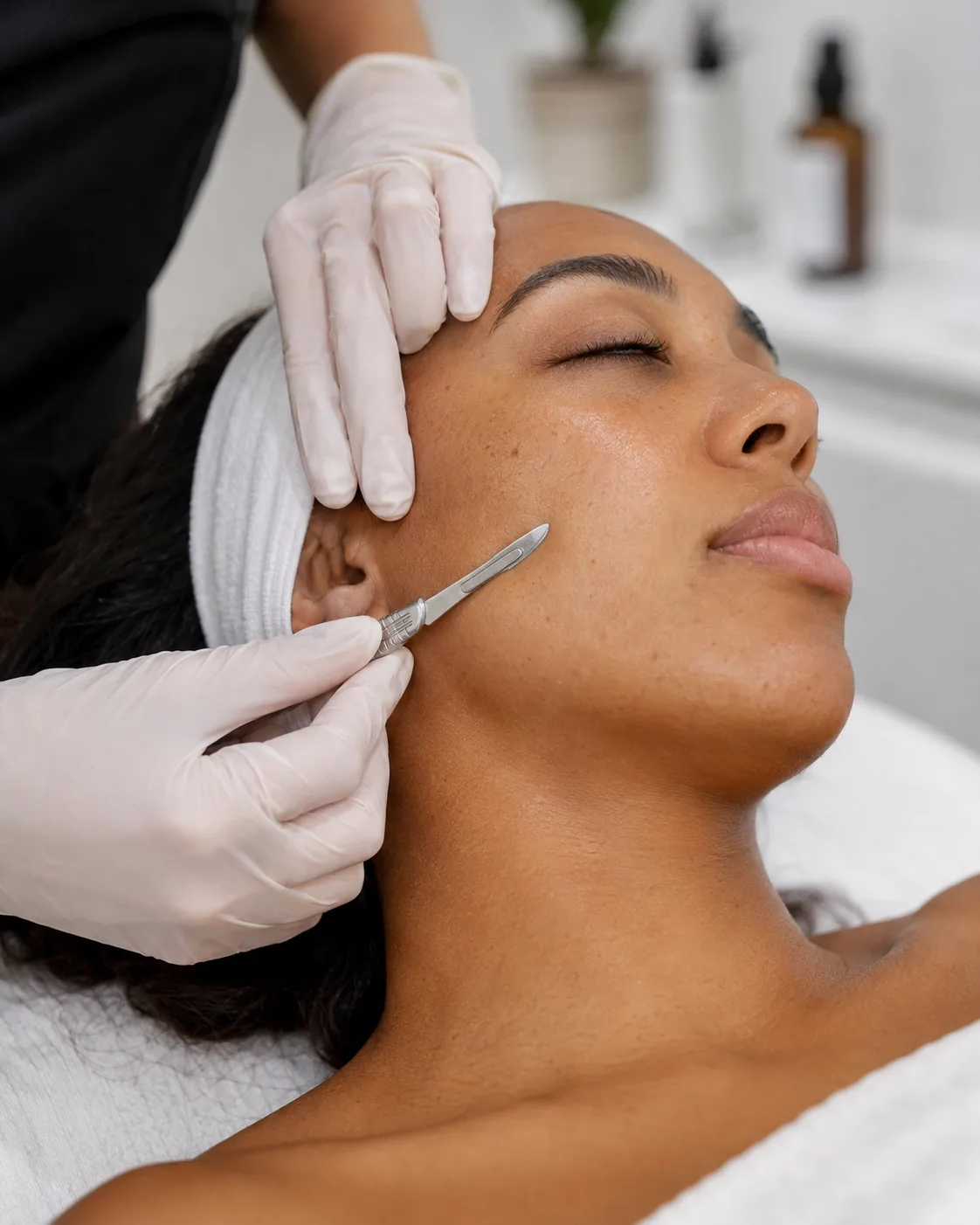
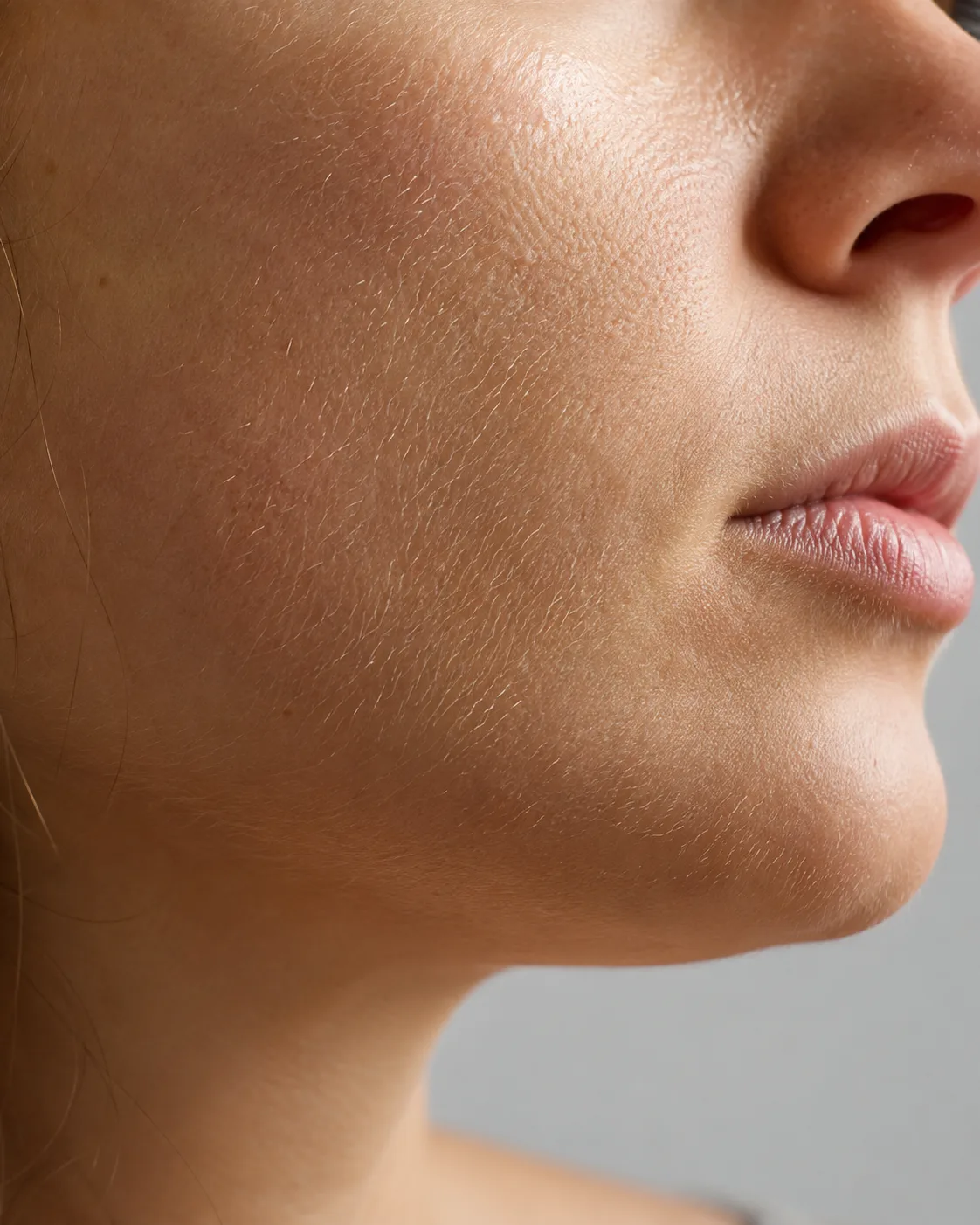
Dermaplaning is a gentle exfoliating treatment that removes accumulated dead skin cells and fine vellus hair, commonly known as peach fuzz, from the face. Using a sterile professional blade, the treatment immediately leaves the skin feeling softer, smoother and more refreshed.

With minimal downtime and instantly visible results, dermaplaning is ideal before an event or as part of a regular skincare routine. It can be performed on its own or combined with selected facials and peels for enhanced skin renewal.

Medically reviewed by Dr. Amanda Lau, MD CCFP

What it treats

Designed for these concerns.

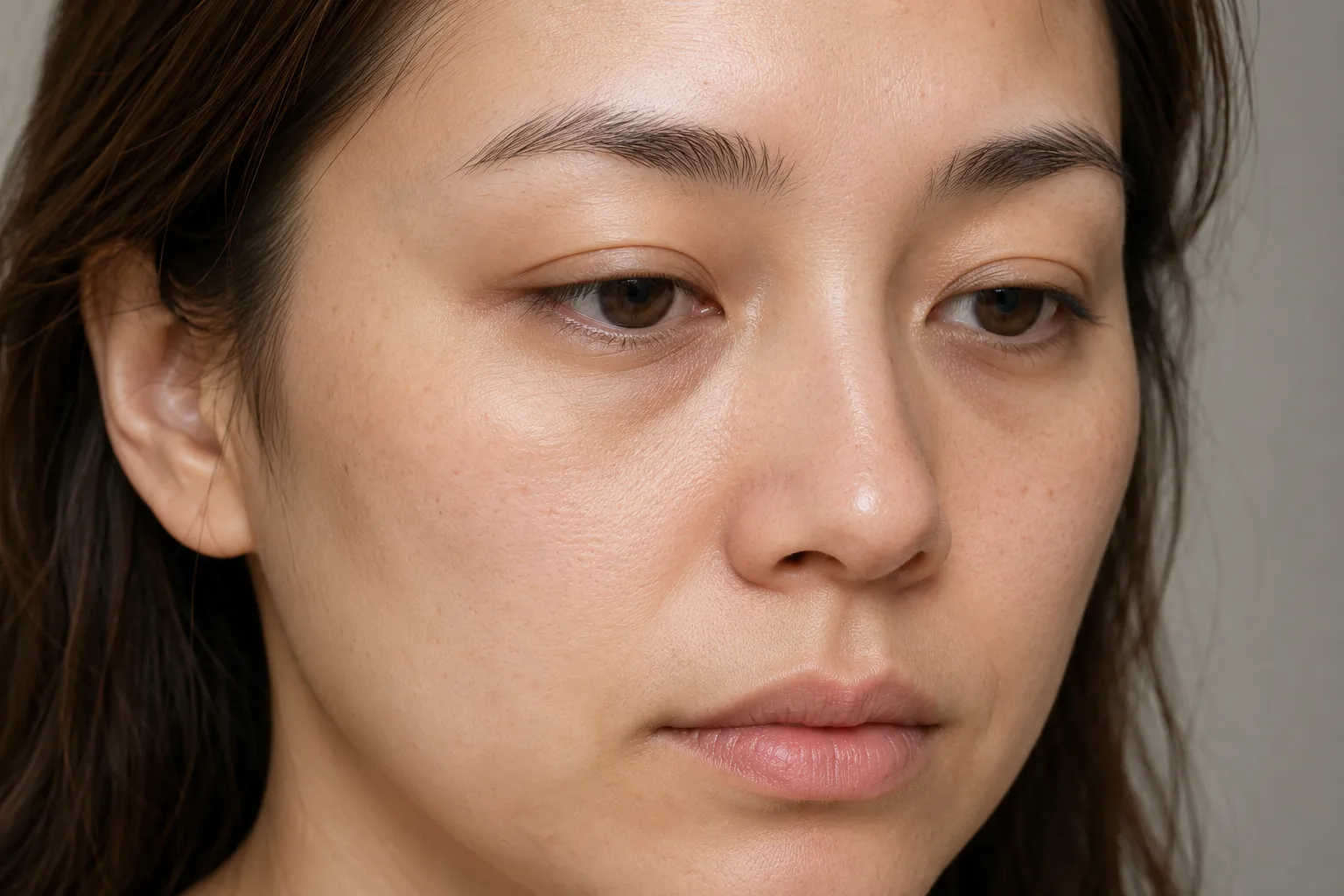
Dull-Looking Skin
Dull-Looking Skin
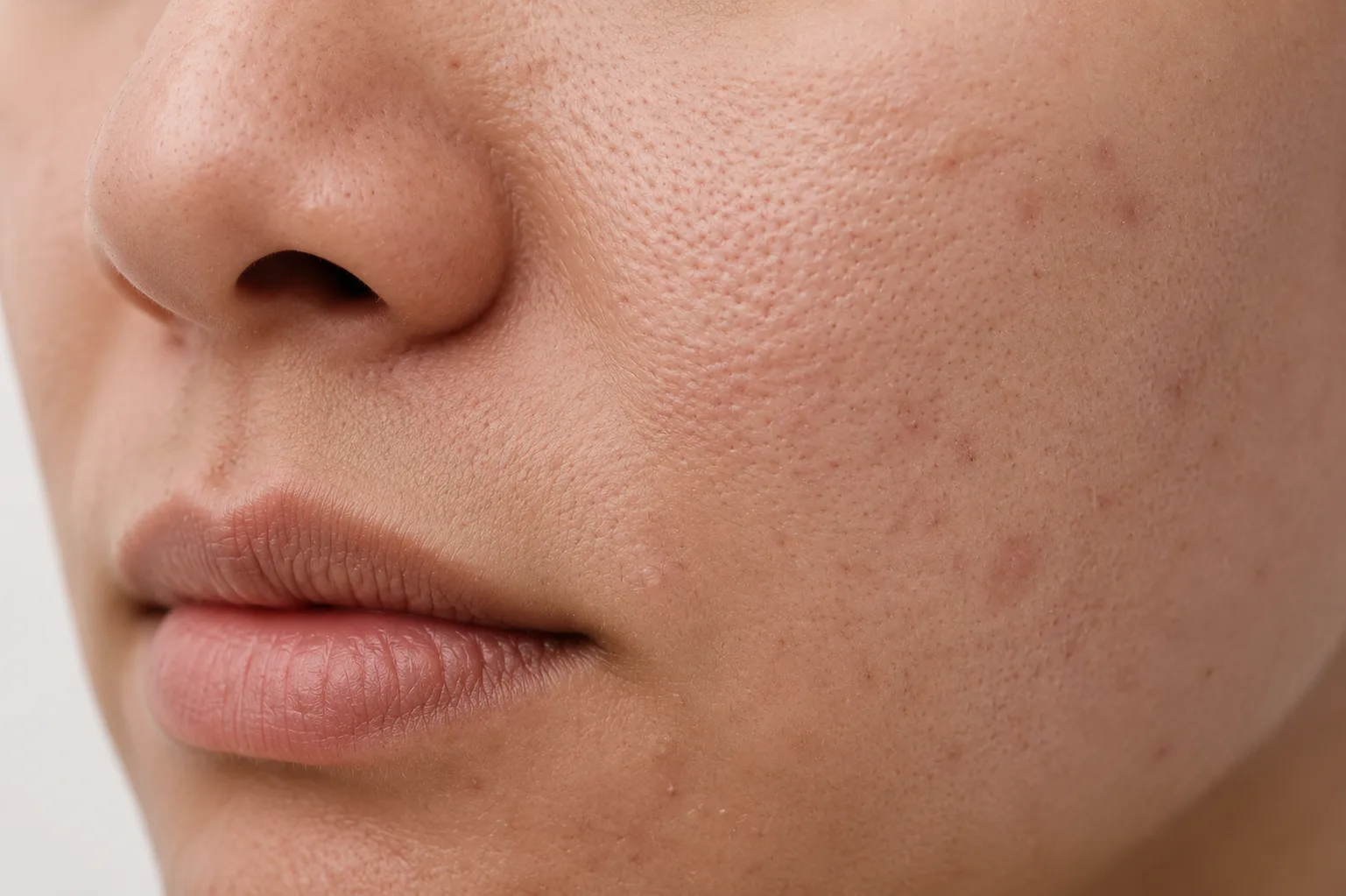
Rough Skin Texture
Rough Skin Texture
Facial Peach Fuzz
Facial Peach Fuzz
What you can expect
  • Immediately smooths and softens the skin
  • Removes dead surface cells and peach fuzz
  • Brightens a dull-looking complexion
  • Creates a smoother base for makeup

A suitable option for:

  • Have dull, rough or flaky-looking skin
  • Want to temporarily remove facial peach fuzz
  • Prefer physical exfoliation without acids
  • Want smoother makeup application
The essentials

Before & after care.

A simple checklist so you arrive prepared and recover comfortably. Your clinician will tailor this to you.

Before your visit

Preparing

  • Avoid waxing or other facial hair-removal treatments for approximately one week
  • Pause retinoids, exfoliating acids and scrubs as directed
  • Avoid excessive sun exposure and arrive without sunburn
  • Tell your provider about active breakouts, cold sores or skin conditions
  • Disclose recent peels, lasers or other resurfacing treatments
  • Arrive with clean skin when possible
After your treatment

Recovering

  • Use a gentle cleanser and hydrating moisturizer
  • Apply broad-spectrum SPF 30 or higher every day
  • Avoid retinoids, acids and scrubs for several days
  • Avoid excessive heat and intense exercise if the skin feels sensitive
  • Do not wax or aggressively exfoliate freshly treated skin
  • Avoid touching the face unnecessarily
  • Apply makeup only after any sensitivity has settled
In detail

Everything about Dermaplaning.

Treatment time

Approximately 30–45 minutes

Comfort

Gentle and normally painless

Downtime

Minimal to None

Recommended session

Every 4 - 6 weeks

Membership

SkINVESTMENT

What Is Dermaplaning?

Dermaplaning is a physical exfoliation treatment performed using a sterile, single-use blade. The blade is held at a controlled angle and gently passed across the skin to remove the outermost buildup of dead skin cells and fine facial hair.

Unlike a chemical peel, dermaplaning does not use acids. It also does not involve lasers, needles or heat, making it a straightforward option for clients seeking smoother skin without significant recovery.

What to Expect During Treatment

Your appointment begins with cleansing and a careful assessment of the skin. Once the face is clean and dry, your provider uses light, controlled strokes to treat selected areas.

Most clients find dermaplaning comfortable and relaxing. You may feel the blade moving lightly across the surface, but the procedure should not be painful. A hydrating product and sunscreen are applied after treatment.

Immediate Results

Skin typically feels noticeably smoother immediately after dermaplaning. Removing dead surface cells and peach fuzz can also make the complexion appear brighter and help makeup sit more evenly.

Dermaplaning provides temporary surface-level improvement. It does not stimulate major collagen remodelling or treat concerns located within deeper layers of the skin.

Treatment Frequency

Results generally last until dead skin and vellus hair gradually accumulate again. Many clients schedule dermaplaning approximately every four to six weeks, depending on skin sensitivity and hair-growth patterns.

Treating the skin too frequently may cause irritation, so appointments should be spaced according to your provider’s recommendation.

FAQ

Everything you need to know.

No. Dermaplaning cuts vellus hair at the skin’s surface without changing the hair follicle or its natural growth pattern. Regrowth may initially feel blunt, but the hair does not become thicker or darker.

Both remove surface hair, but professional dermaplaning is performed as a controlled exfoliation treatment using a sterile blade and specialized technique.

Fine vellus hair gradually grows back with its original colour and thickness. It should not develop into coarse beard-like stubble.

Dermaplaning is intended primarily for fine vellus hair. Coarse or hormonally influenced facial hair may require another hair-removal method.

Yes. It may be combined with selected hydrating facials or superficial peels when appropriate. The provider will determine whether combining treatments is suitable for your skin.

Because dermaplaning does not use chemicals or energy-based technology, it may be considered during pregnancy. However, pregnancy can increase skin sensitivity, so approval from your healthcare provider and a skin assessment are recommended.

At-home tools differ from professional blades, and incorrect technique may cause cuts, irritation or infection. Professional treatment provides controlled technique, appropriate hygiene and an assessment of whether your skin is suitable.

Begin with a complimentary skin consult.

Rejuvenate your inbox

First dibs on promotions, new services and skin intel.

By subscribing you agree to receive marketing emails from Skinfolio.

Skinfolio
© 2026 Skinfolio. All rights reserved.Privacy Policy