Your skin, decoded.
Shop

Melasma & Hyperpigmentation

Melasma is one of the most challenging pigmentation conditions to treat—and one we approach with particular care at Skinfolio. Unlike simple sunspots, melasma requires a gentle, consistent strategy that avoids triggering further pigmentation.

Melasma & Hyperpigmentation — condition
Melasma & Hyperpigmentation — in clinic
Understanding it

A closer look at melasma & hyperpigmentation.

Understanding Melasma: The Mask of Pregnancy

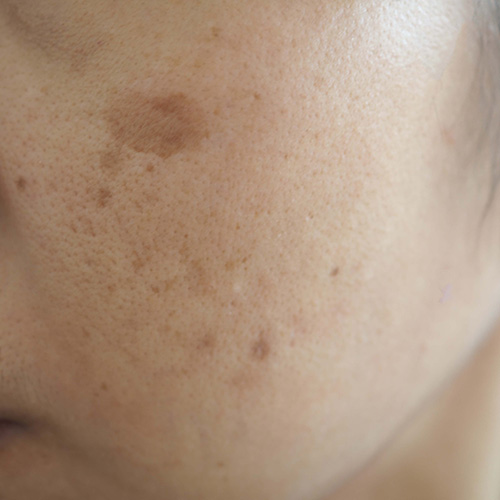
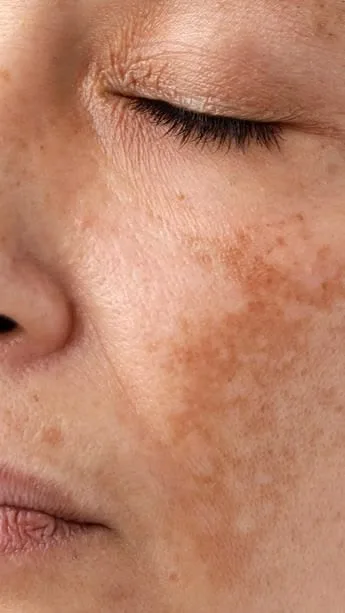
Melasma is characterized by symmetrical, blotchy patches of brown or grayish-brown discoloration, most commonly appearing on the cheeks, forehead, upper lip, chin, and bridge of the nose. Often referred to as 'the mask of pregnancy,' it affects millions, predominantly women, and can significantly impact self-confidence. Unlike distinct age spots, melasma patches have irregular, diffuse borders and tend to be deeper within the skin, making management more complex.

Causes and Triggers of Melasma

Hormonal fluctuations are the primary driver of melasma. Pregnancy, oral contraceptives, hormone replacement therapy, and other hormonal shifts can all trigger or worsen the condition. Sun exposure is the single most significant aggravating factor; even minimal UV exposure can stimulate melanocytes to overproduce pigment, darkening existing melasma and creating new patches. This makes strict sun protection essential.

Heat, independent of UV radiation, can also worsen melasma. Activities like hot yoga, saunas, cooking over a stove, and even intense exercise can trigger flare-ups. Genetics also play a role, with melasma being more common in individuals with darker skin tones (Fitzpatrick types III-VI) and those with a family history of the condition.

Why Melasma is Challenging to Treat

Melasma is not merely surface pigmentation; it often involves overactive melanocytes deep within the dermis that are primed to overproduce pigment at the slightest trigger. This complexity means that:

  • Aggressive treatments can cause inflammation, leading to post-inflammatory hyperpigmentation.

  • Results are often temporary if underlying triggers are not managed effectively.

  • Heat from some laser treatments can paradoxically worsen the condition.

  • Maintenance is often lifelong, rather than a one-time fix.

  • Hormonal fluctuations can lead to recurrence regardless of previous treatment success.

Our Treatment Approach: Gentle and Consistent

Effective melasma treatment at Skinfolio is conservative, gradual, and focused on long-term management rather than aggressive correction. We prioritize treatments that minimize inflammation and heat while steadily reducing pigmentation over time. Our goal is to achieve lasting improvement by respecting the skin's delicate balance and addressing the chronic nature of the condition.

The Importance of Home Care and Sun Protection

Topical treatment forms the foundation of melasma management; professional treatments alone are not sufficient. Consistent use of melanin-inhibiting ingredients like tranexamic acid, kojic acid, arbutin, niacinamide, or hydroquinone (for limited periods) is crucial for daily brightening. Retinol accelerates the shedding of pigmented cells, and a healthy skin barrier reduces inflammation that can trigger pigmentation. Antioxidants like Vitamin C provide environmental protection and brightening benefits.

For melasma patients, sunscreen is foundational. Rigorous sun protection is non-negotiable, as all other treatments are futile without it. This includes broad-spectrum SPF 50+ daily, reapplied every two hours when outdoors. Tinted mineral sunscreens with iron oxides are recommended for their ability to block visible light, which can also trigger melasma. Wearing a wide-brimmed hat and avoiding peak sun hours further enhances protection.

Understanding the Treatment Protocol and Realistic Expectations

Our comprehensive melasma protocol begins with a preparation phase of 4-8 weeks, involving a prescription-strength topical brightening regimen to calm melanocyte activity before in-clinic treatments. Daily SPF 50+ is mandatory throughout.

The active treatment phase typically spans 3-6 months, featuring a series of gentle treatments spaced 4-6 weeks apart, alongside a continued topical regimen. Following this, an ongoing maintenance phase is essential, including quarterly professional treatments, continued daily topical brightening, strict permanent sun protection, and careful monitoring for hormonal triggers.

Melasma is a chronic condition, and even after successful treatment, melanocytes remain 'primed' to overproduce pigment. Without ongoing maintenance, both professional treatments and diligent home care, recurrence is likely. Expect gradual improvement over 6-12 months, with lifelong attention required for optimal management.

What to Avoid in Melasma Treatment

Aggressive treatments frequently lead to adverse outcomes with melasma. We advise against:

  • High-intensity lasers that generate significant heat, which can exacerbate pigmentation.
  • Deep ablative procedures that induce inflammation.
  • Overly aggressive chemical peels that compromise the skin barrier.
  • Any treatment performed without adequate sun protection before and after.
  • Expecting immediate results; melasma management requires patience.
  • Stopping treatment once improvement is observed, as ongoing maintenance is vital.

Be cautious of providers who promise to 'eliminate' your melasma in a single session. Responsible melasma treatment is inherently gradual and ongoing.

Get the facts

Hormonal changes from pregnancy or birth control are the most common triggers for melasma development.

Daily sun protection is essential because even small amounts of UV light can darken existing patches.

Heat from saunas or hot yoga can worsen pigmentation even if you are not in direct sunlight.

People with darker skin tones or a family history of the condition are more likely to develop melasma.

The pigment is often deep in the skin and requires a gentle approach to avoid causing more inflammation.

Professional treatments focus on managing overactive pigment cells to achieve long term results.

Available at
Take the next step

Treating melasma & hyperpigmentation

Your Skinfolio expert will assess your skin and design a personalised plan at your complimentary consult.

Treatment options

How we treat melasma & hyperpigmentation

FAQ

Everything you need to know.

During your consultation, our experts will assess your skin type, melasma severity, and lifestyle factors. We'll discuss suitable treatments such as IPL Photofacial, Reface Laser Treatment, or Mandelic Acid Peels, and create a personalized plan focusing on gentle, consistent care tailored to your unique needs.

Certain medications, particularly hormonal ones, can influence melasma. Always inform your provider of all medications, supplements, and hormonal therapies you are taking. They can advise if any adjustments or specific precautions are needed for your treatment plan.

Depending on the specific treatments, some procedures may be combined or integrated into your overall plan. Our specialists will determine the safest and most effective sequence or combination to avoid adverse interactions and ensure optimal results for your melasma concerns.

Our melasma treatments are designed to be gentle and minimize discomfort. Most procedures involve little to no downtime, allowing you to return to your daily activities quickly. Any potential mild redness or sensitivity will be thoroughly explained during your consultation.

Maintaining your results requires adherence to a diligent home care routine, including prescribed topical treatments and strict, year-round sun protection. Regular follow-up appointments and maintenance treatments, as recommended by your provider, are also essential for long-term success.

Begin with a complimentary skin consult.

Rejuvenate your inbox

First dibs on promotions, new services and skin intel.

By subscribing you agree to receive marketing emails from Skinfolio.

Skinfolio
© 2026 Skinfolio. All rights reserved.Privacy Policy